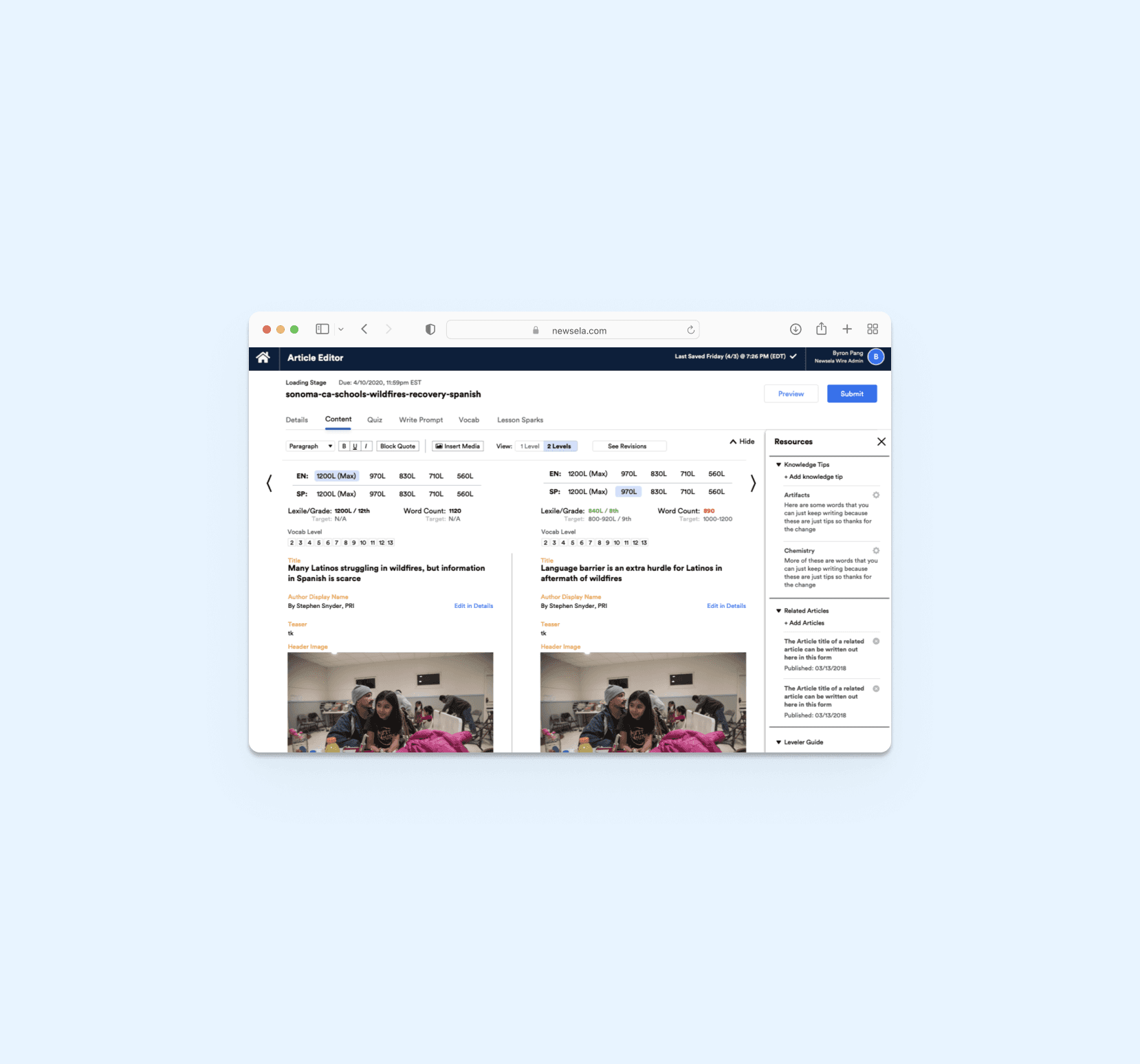
Overview
Redesigning the Newsela article editor to reduce friction during content creation & enable greater content variety & depth
Role
Product Designer
Team
Product Manager
Engineers (3)
Company
Newsela
Timeline
2022
Led the research & redesign of Newsela’s article editor, focusing on streamlining & reducing friction in editing workflows and enabling the creation of content that better meets educators, students, & administrator needs.
Reduced send time from 3 hours to 30 minutes (83% improvement)
Improved efficiency and clarity across core editing workflows
Established a foundation for more scalable, standards-aligned content creation
Problem
An outdated editor that slowed workflows and limited content quality
context
Newsela’s article editor is a core tool used by educators and internal teams to create and adapt educational content for students.
issues
The existing process was unintuitive, while also limiting the ability to create high-quality, standards-aligned, and engaging content.
Editing workflows were fragmented and inefficient, slowing down everyday tasks
Workflows & interactions were unintuitive, requiring users to rely on workarounds
The editor lacked the flexibility to meet the needs of educator standards and student engagement
why it matters
Editors were frustrated spending more time managing the tool than creating effective content, & leadership felt blocked that the content couldn't evolve with expanding educational needs.
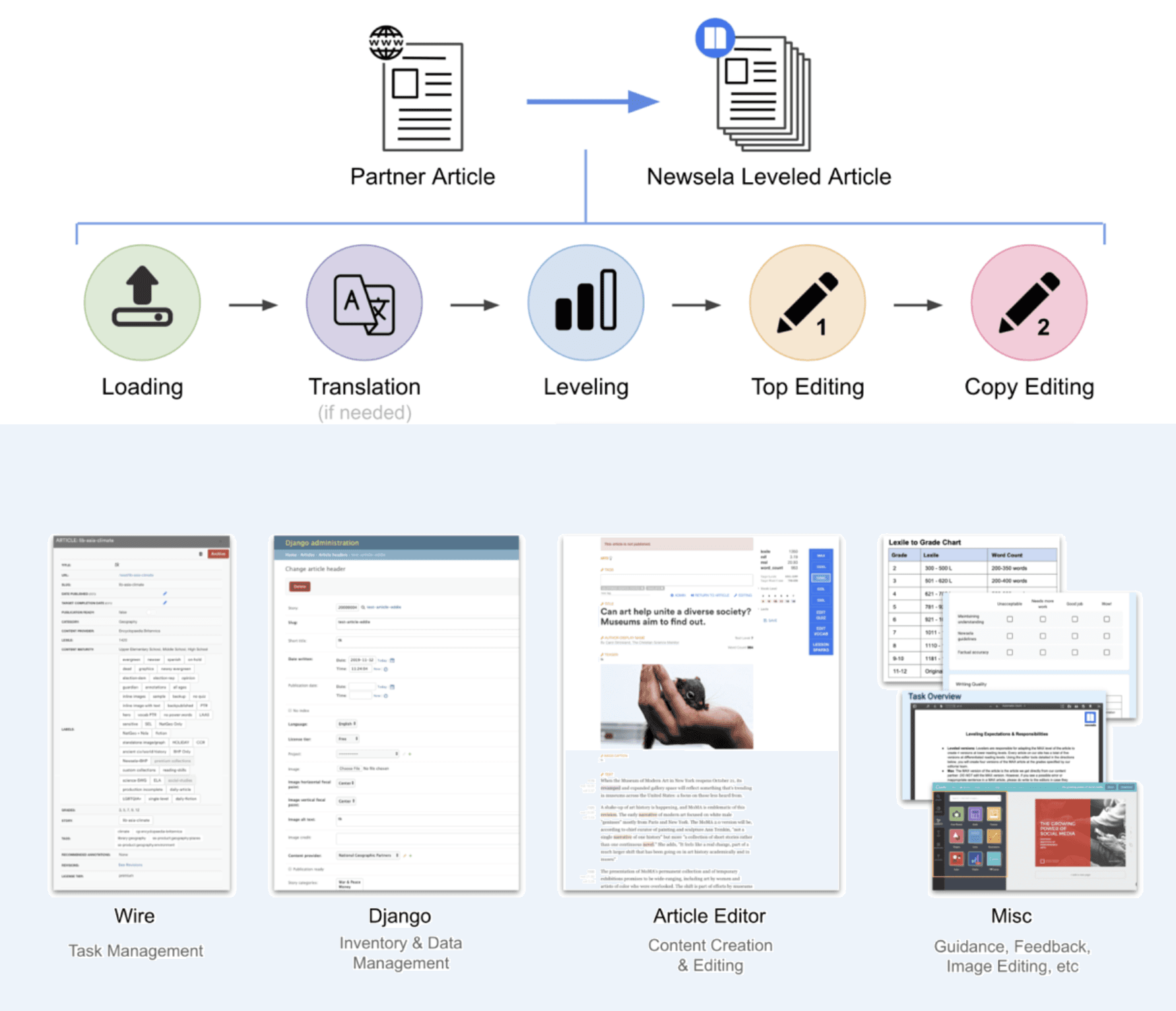
Users juggled multiple tools that were limited in functionality
Research
Grounded in insights from editors, educators, administrators
To ensure we were solving the right problem, I conducted research across multiple user groups and internal stakeholders, combining interviews and workflow analysis.
users
We spoke to several user types to understand not just motivations & blockers in creation, but what type of content will be needed in the future.
Content creator contractors
Internal editing staff
Administrators
Educators
Students
Curriculum creators
methods
I utilized multiple methods of research to understand users and their needs:
Qualitative interviews with internal staff and contractors
“Day-in-the-life” shadowing across creation stages
Immersive research
Field visits to classrooms
Workflow mapping across all tools and roles
Analogous research
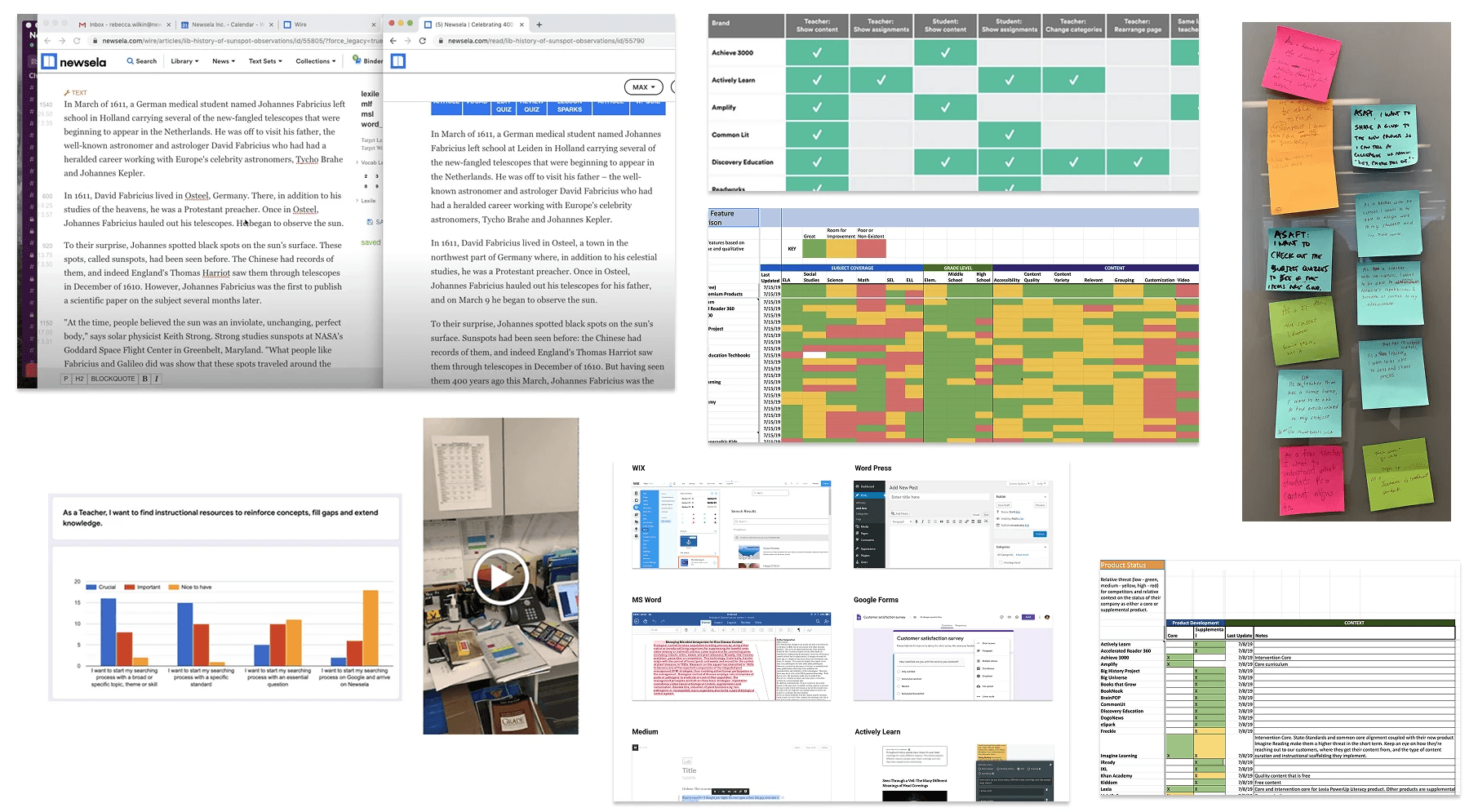
Multiple research methods & artifacts to guide the design
insights
Content needed to adapt to varying student needs and engagement levels
Internal teams lacked efficient tooling to create and scale content to evolving educational needs
Comparative editing was essential for accuracy & confidence
decisions
Simplifying workflows while balancing constraints and long-term scale
The challenge was, how might we enable internal staff and contractors to efficiently create high-quality, evolving educational content—without sacrificing editorial standards or future flexibility?
Direction
Simplify and streamline core editing workflows
Prioritize clarity and ease of use over flexibility
Design with system constraints and performance in mind
Establish patterns that can scale across future features
Simplifying the flow
The editing experience was restructured to reduce unnecessary steps and consolidate key actions.
Simplification and feature consolidation would enable faster task completion and reduced user friction.
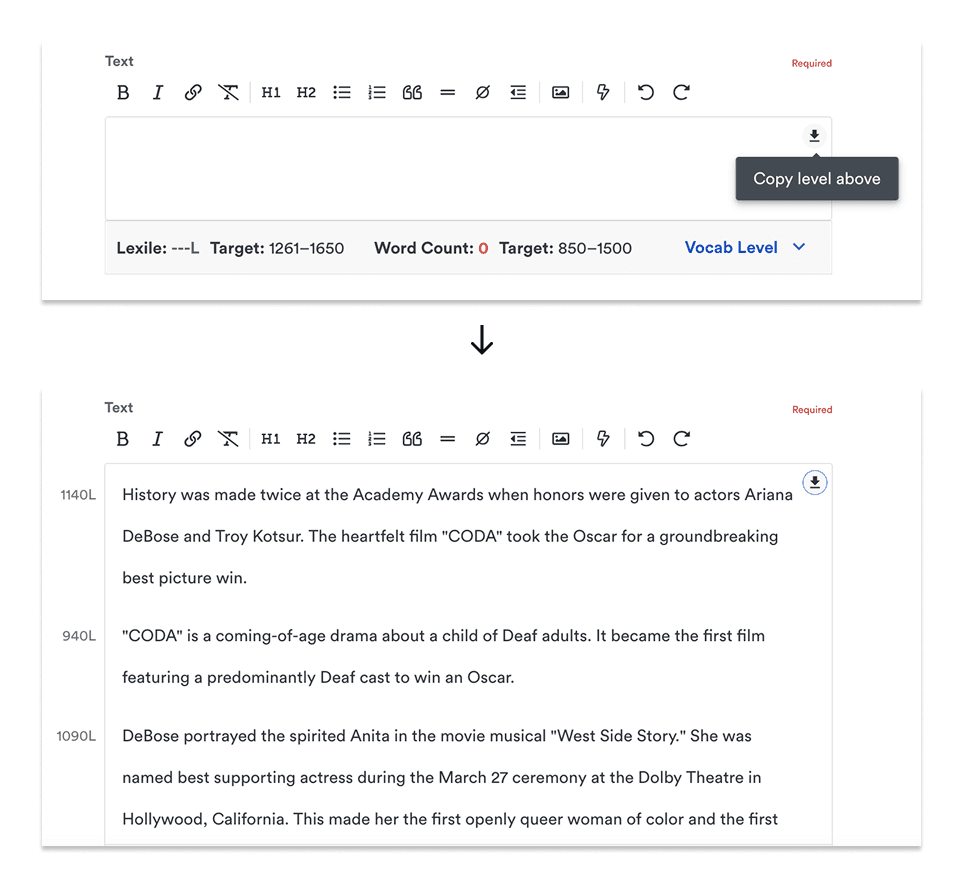
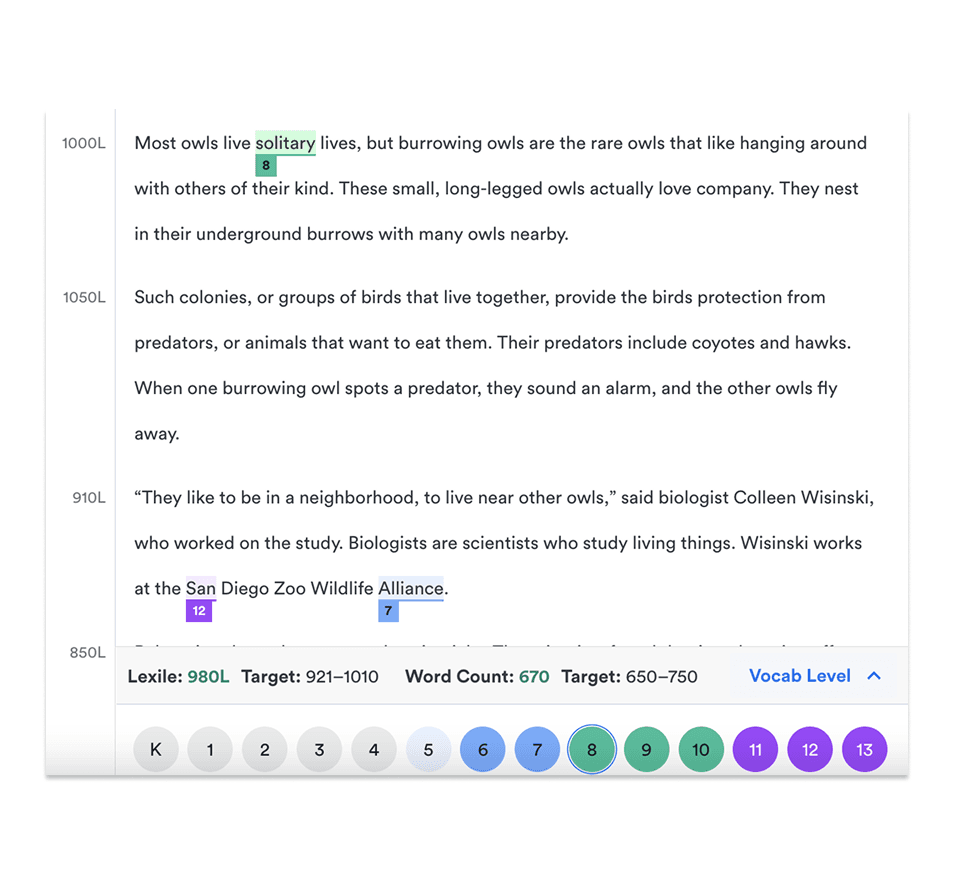
Adding efficiency through features such as copying over articles & making word levels visible
Designing for system constraints
Collaboration with engineering helped align on technical limitations and optimize performance.
This was essential in creating quickly, and finding creative solutions to achieve the same outcome.
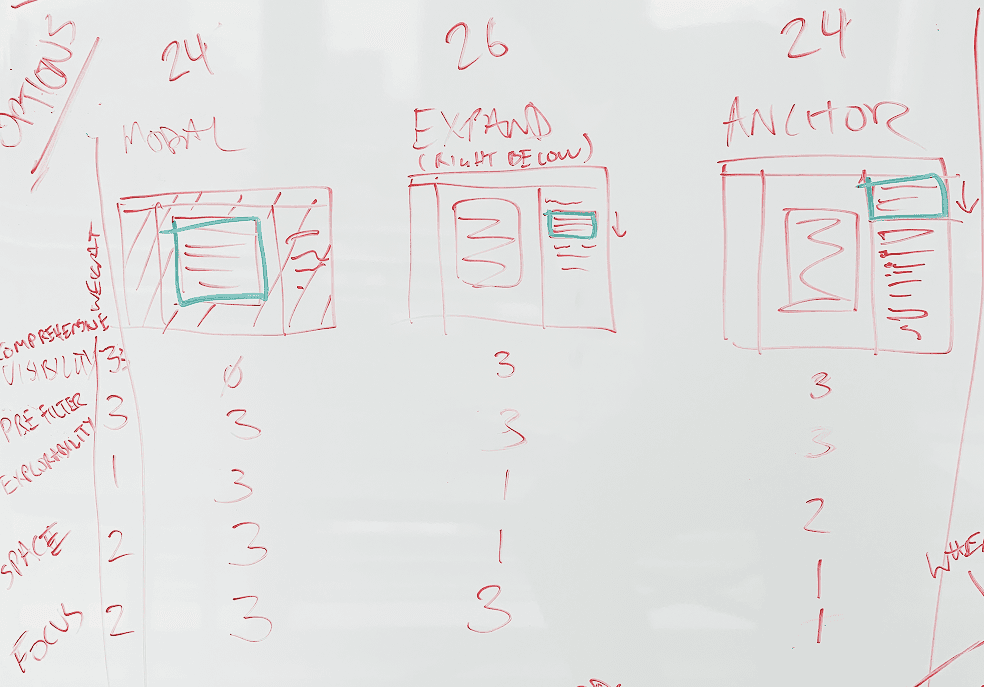
Assessments expanded as well as an improved creation process
Prioritizing clarity over flexibility
Simpler, more opinionated interactions were prioritized for highly flexible but complex configurations.
Users struggled with complexity and unclear interactions, so I designed to increase usability & confidence.
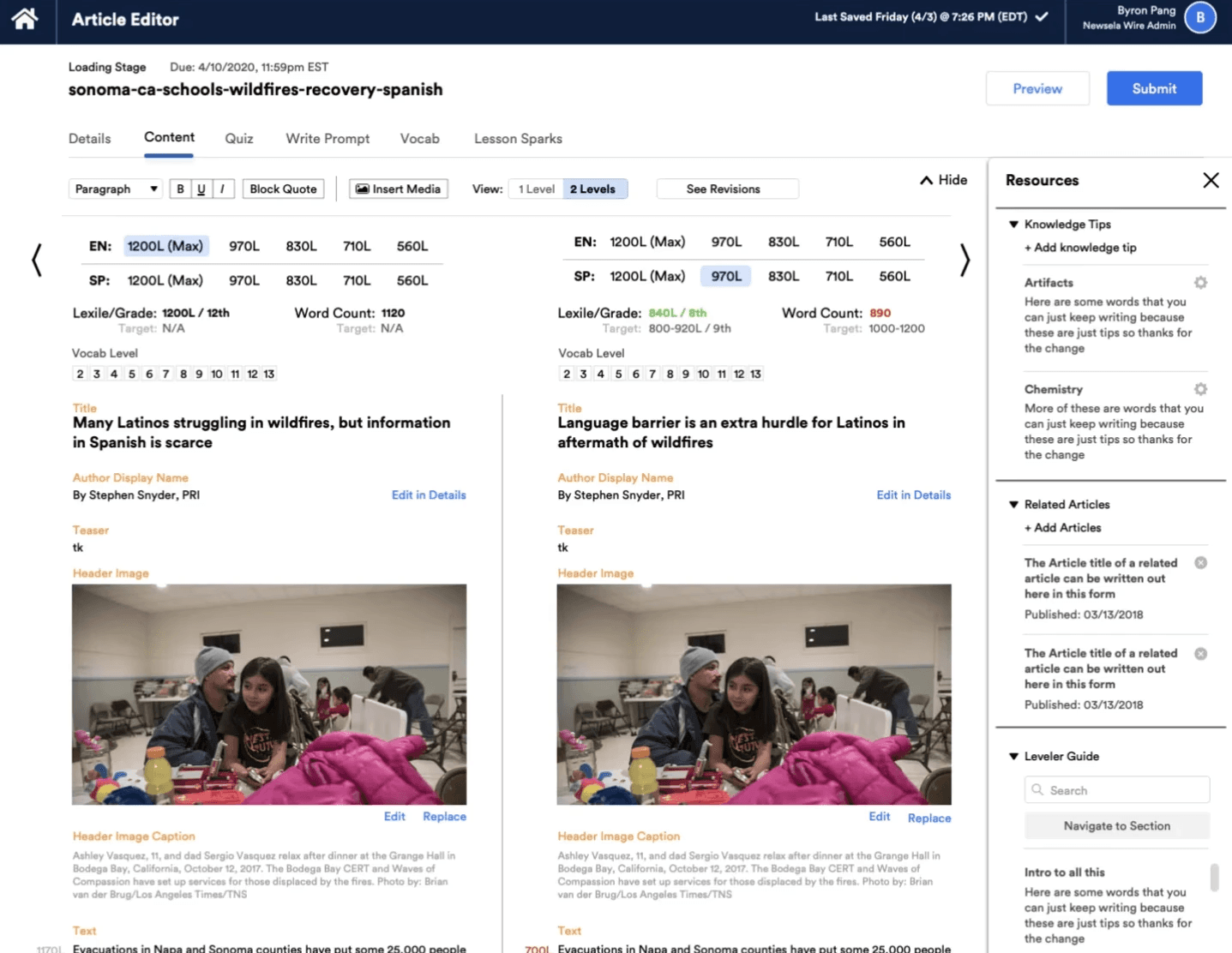
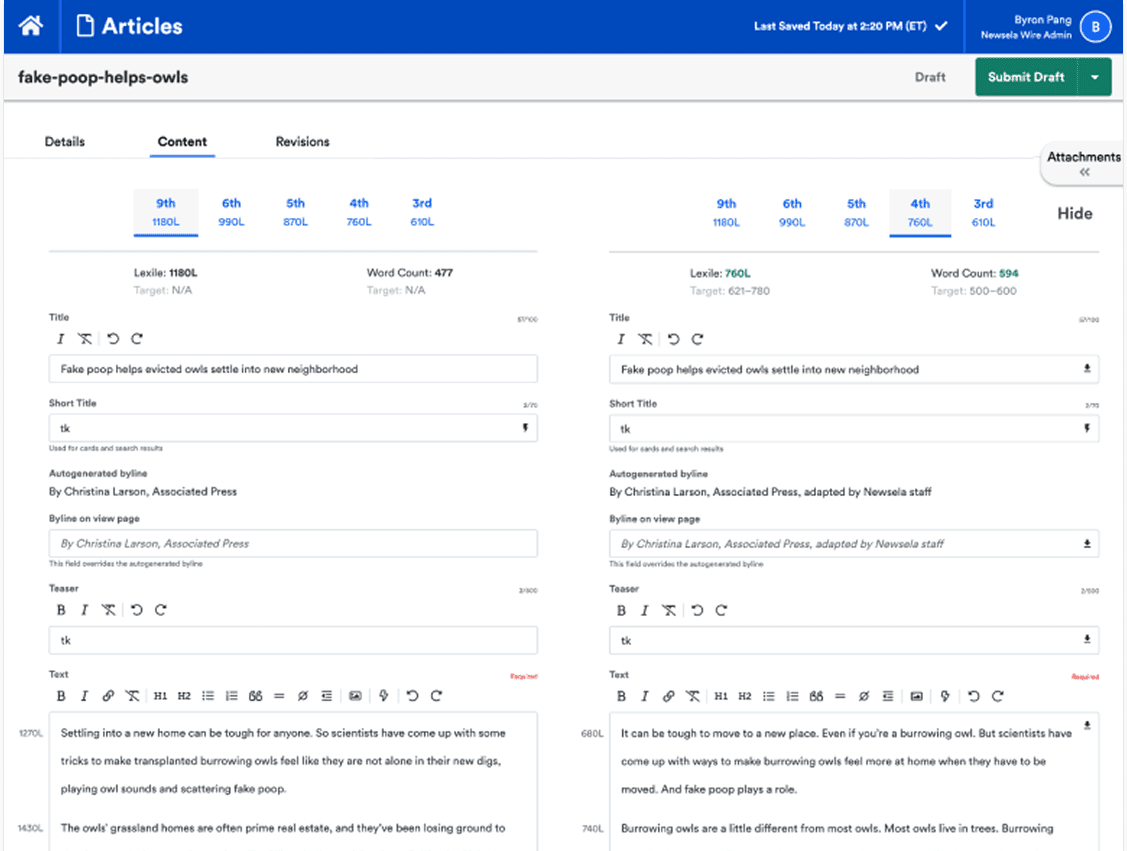
Simplifying to the essentials
tradeoffs
A simpler, focused MVP was prioritized to launch and then learn from in product data
Prioritized a simpler, more focused MVP over a fully flexible solution
Deferred more advanced customization to future iterations
Relied on manual workflows in early stages due to backend limitations
solution
A streamlined editor built for clarity, flexibility, and performance
A streamlined and more intuitive article editor that reduces friction in content creation while enabling more flexible, standards-aligned outputs.
Key improvements
Simplified editing workflows with clearer structure and fewer steps
Improved interaction clarity and predictability
Increased flexibility to support administrator, educator, and student needs
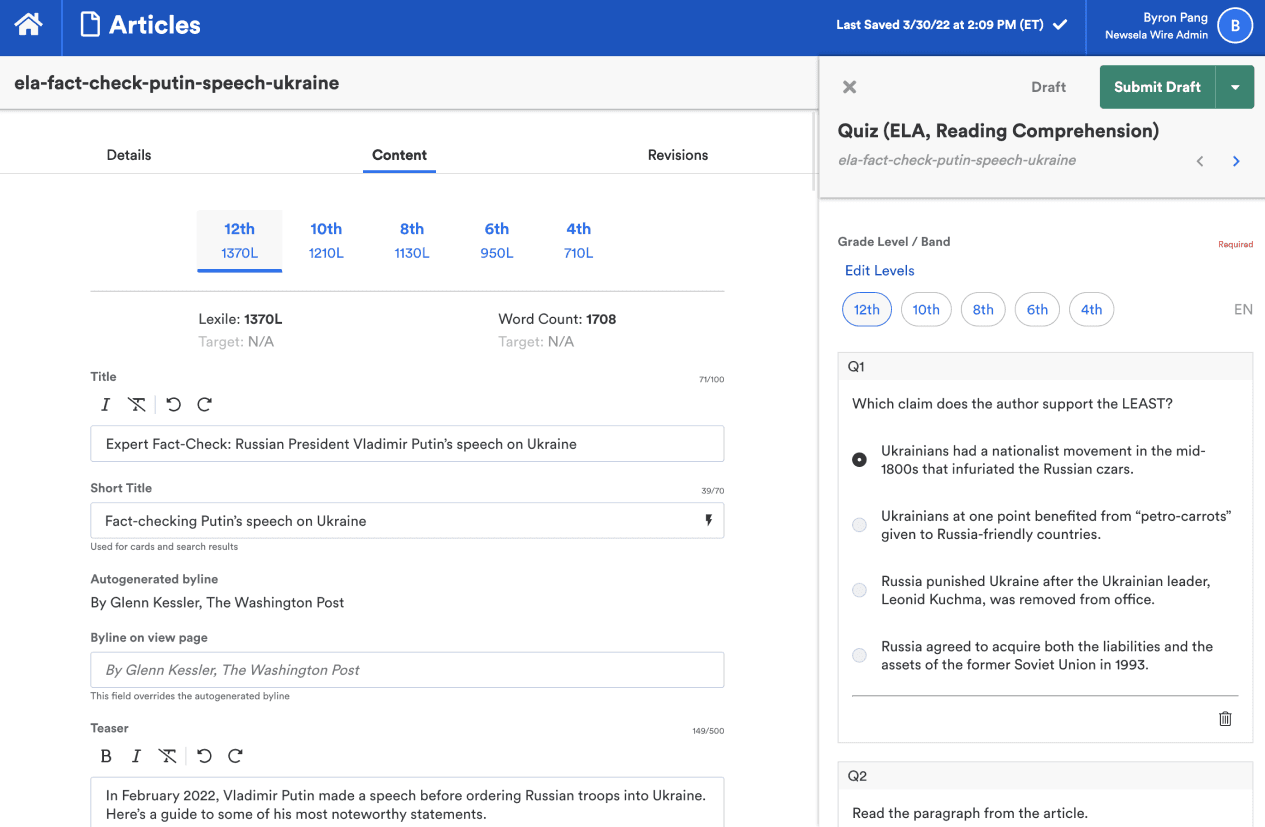
New article editor
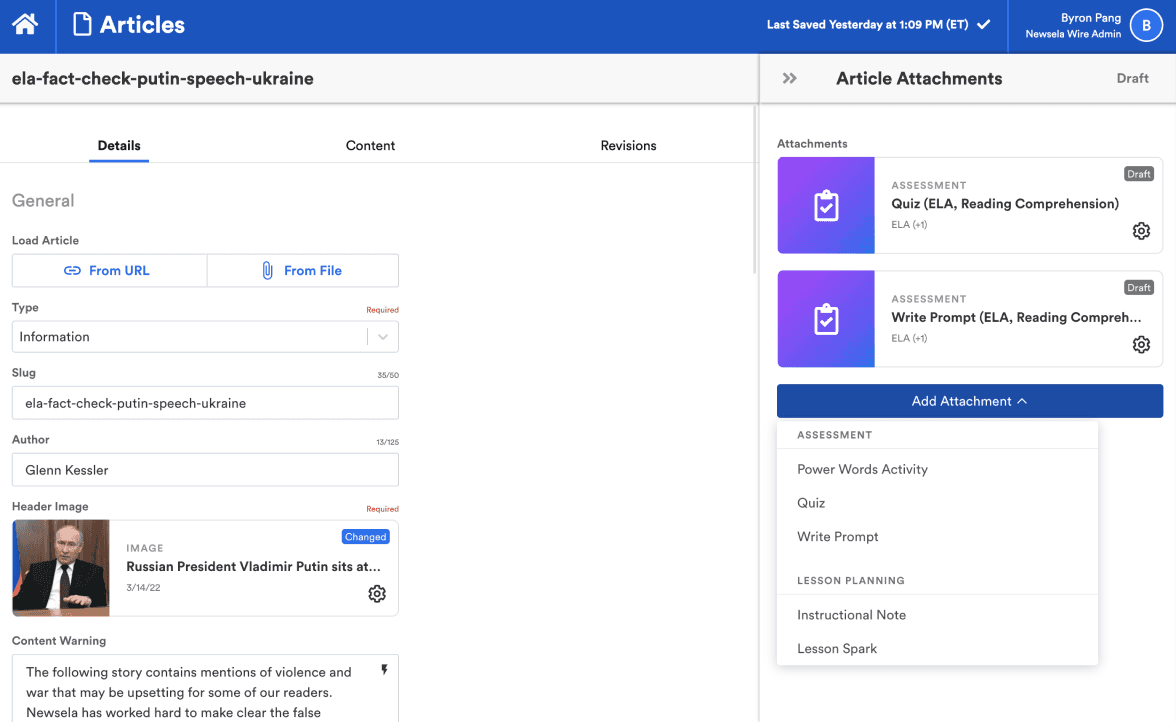
Adding details & actvities
impact
Reduced send time from 3 hours to 30 minutes (83% improvement)
Improved efficiency across core editing workflows
Reduced cognitive load for educators and internal teams
Established a scalable foundation for future editor capabilities
Reflection
Collaboration while balancing simplicity, constraints, and a scalable system foundation
Collaboration & Tradeoffs
The hardest part of this work was negotiating tradeoffs.
Aligning with engineering on complex interaction patterns
Using research to advocate for comparative workflows despite perceived complexity
Designing within legacy constraints while also anticipating future technical improvements
Shared sources of truth are critical to be on the same page when discussing tradeoffs
What i'd do differently
Prioritize smaller, high-impact improvements earlier, while still aligning them to the long-term system vision
Improve measurement of success with more robust analytics
Further expand flexibility without reintroducing complexity
What i learned
This project reinforced the importance of balancing usability, system constraints, and long-term vision—designing not just for the current experience, but for a scalable foundation that can evolve over time.